
Why dog training improves adoption
Discover why dog training improves adoption for rescued dogs from shelters or difficult pasts, and how Saving Dogs’ Lives Rescue partners with Bring Rover Over to offer in-home training visits for adopters and fosters.
When a dog comes from the streets, shelters, or abusive homes, love alone isn’t always enough. Training gives these amazing animals the structure, confidence, and communication they need to thrive in a new home — and ensures adopters and fosters have a smooth, joyful experience.
At Saving Dogs’ Lives Rescue, we believe training is an essential part of the rescue journey. It transforms scared or uncertain dogs into confident companions who can truly shine.
🏡 1. Training Builds Safety and Confidence

Many rescued dogs have experienced trauma or neglect. When they first enter a new home, they often feel uncertain or fearful.
Training creates:
Clear expectations and routines
Calm communication between you and your dog
A sense of safety through consistent guidance
When dogs know what’s expected, they relax — and that’s when their true personalities emerge.
💕 2. It Strengthens the Bond Between You and Your Dog
Training isn’t just about commands — it’s about connection.Every training session builds trust and teamwork. It tells your dog: you’re safe, and we understand each other.
This emotional connection is the foundation for a happy, lifelong relationship.
🐕🦺 3. It Prevents Problems Before They Start

Dogs who come from chaotic pasts might struggle with behaviors like:
Leash pulling or jumping
Separation anxiety
Fear reactivity
Destructive habits
Early, positive training helps redirect those behaviors and sets your dog up for long-term success. It also makes life easier and more fun for both of you.
🌟 4. It Leads to Successful Adoptions and Fosters
Training helps dogs transition smoothly into their new homes — which means fewer returns and happier endings.
When adopters feel supported and confident, adoptions last. That’s our mission: not just to save lives, but to make every placement a forever one

Our Partnership with Bring Rover Over
We’re thrilled to partner with Bring Rover Over, led by professional dog trainer Karen Oliver, to offer 1–2 in-home training visits for our adopters and foster families.
Karen Oliver has been helping dogs and their families since 1997. She’s certified through professional training organizations and brings decades of experience working with shelter and rescue dogs.
Her mission? To help owners and dogs enjoy each other’s company through trust, understanding, and communication.
“My goal is to help dogs and their families live happily together — for life.”— Karen Oliver, Bring Rover Over
📍 Learn more about Bring Rover Over: bringroverover.com/about-us
🏠 What the In-Home Visits Include
Each session is tailored to your dog’s needs and your home environment.
Bring Rover Over will:
Assess your dog’s behavior and comfort level
Guide you through positive, reward-based techniques
Provide practical tools for daily life
Help you feel confident and supported every step of the way
It’s training designed for real life — right where it matters most.
❤️ Why We Offer This to Our Adopters and Fosters
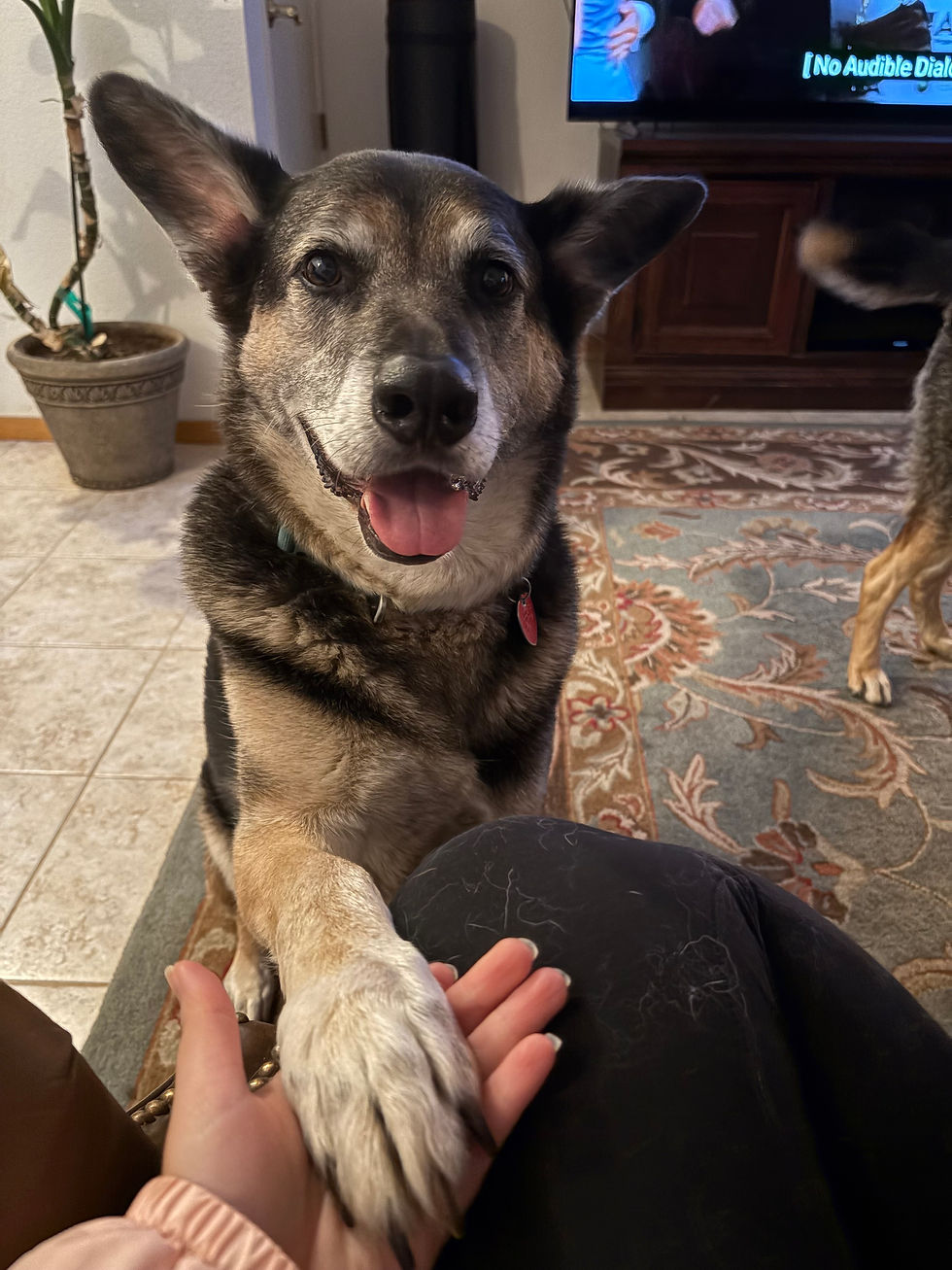
We know that adopting or fostering a dog can be both heartwarming and challenging.
By including these in-home visits, we’re helping you:
Start off on the right paw
Build confidence and consistency
Strengthen the bond with your new companion
Keep more dogs in loving homes — permanently
Training isn’t a luxury — it’s a form of love.
🐾 Ready to Get Started?

If you’ve adopted or are fostering a dog through Saving Dogs’ Lives Rescue, ask us about our in-home training visits.
Together, we can ensure every dog not only gets rescued — but truly thrives.
👉 Contact Us Today
👉 Meet Our Adoptable Dogs (List)
Every rescued dog deserves a second chance — not just at life, but at love, learning, and belonging. Training gives them that chance.
With compassion, patience, and expert guidance from partners like Bring Rover Over, we’re turning uncertainty into confidence and fear into joy — one dog at a time.


Comments